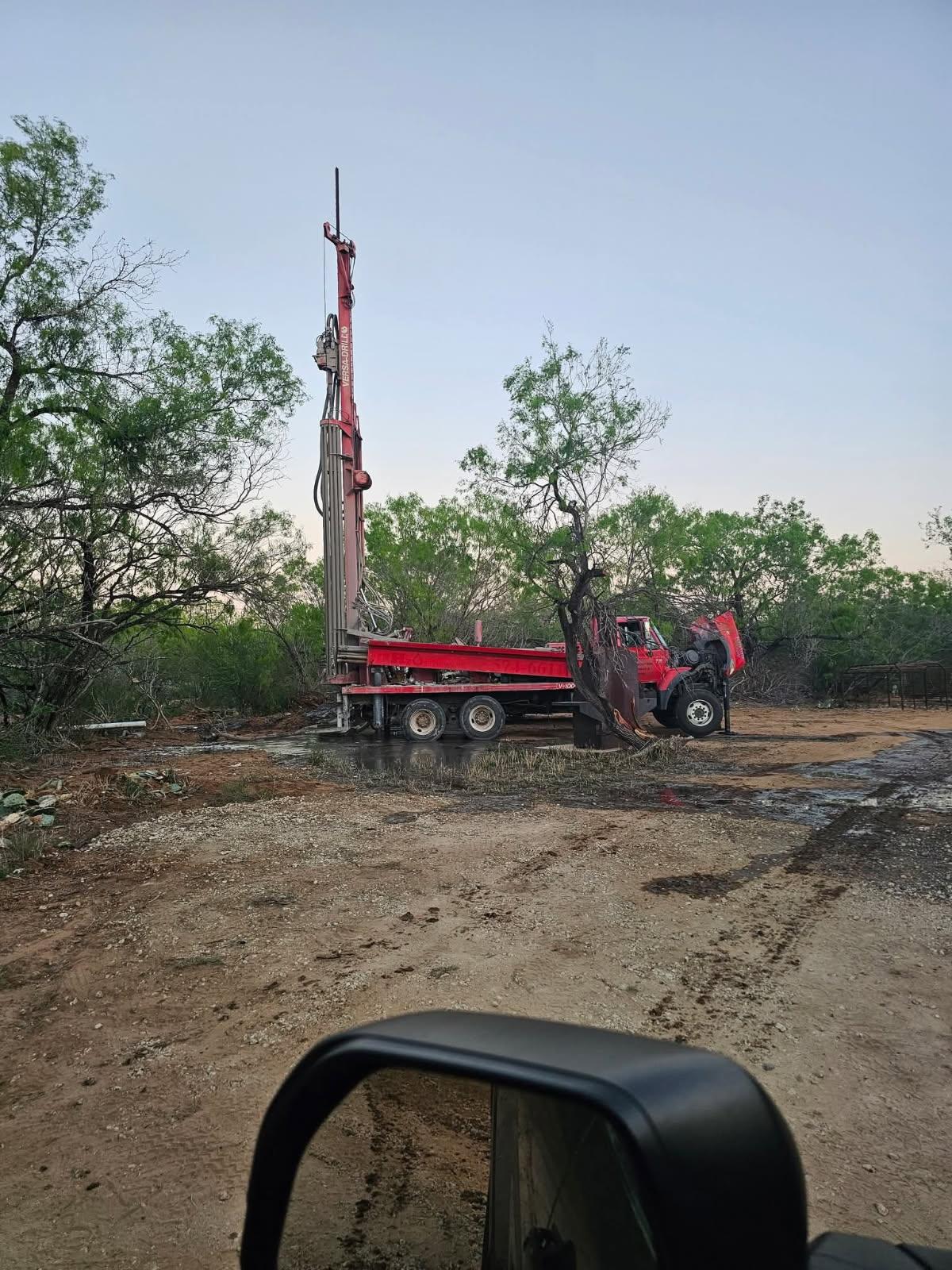
The Science Behind Water Well Depth: How Depth Affects Water Quality and Availability Sep 07, 2026
To start, let's delve into what determines how deep a water well should be. The main factor is the water table level in your particular location, which can vary significantly depending on geographical and climatic factors. The water table is essentially the surface where the ground is saturated with water. A deeper water well generally means tapping into aquifers that are less susceptible to seasonal changes and droughts, which leads to a more reliable long-term water supply.
The depth of a water well also directly impacts water quality. Aquifers located deeper underground typically have fewer contaminants due to natural filtration processes. As water percolates through layers of rock and sediment, impurities are often removed, resulting in cleaner water. The deeper you drill, the more layers the water passes through, which usually contributes to enhanced water purity.
However, drilling deep wells comes with its own set of challenges and considerations. It's crucial to have a detailed geological report for your area before deciding on the depth. Deep wells require powerful pumps to extract water, which can increase the energy costs over time. Proper installation and maintenance are essential to ensure that these pumps operate efficiently and have a long service life.
For those worried about running out of water or encountering poor quality, understanding the balance between depth and aquifer sustainability can be crucial. Over-pumping from a single well can deplete the aquifer, leading to issues like land subsidence and reduced water availability for other wells in the vicinity. To avoid these problems, it's important to work with professionals who can assess your site's aquifer dynamics.
It’s also worth noting that environmental regulations may affect the depth at which you can drill. Local laws often stipulate minimum and maximum depths based on regional water records and environmental impact studies. At Sotex Water Well Corp, our team is well-versed in these regulations and can guide you through the process to ensure compliance and sustainability.
Finally, while depth is a significant factor, it should not be the only consideration. The composition of the soil and the presence of rocks or boulders can influence the drilling process and the cost. We offer comprehensive site assessments to help determine the most appropriate depth that balances water quality, availability, and economic feasibility.
In conclusion, the depth of your water well is more than just a number; it's a strategic decision that impacts both the quality and reliability of your water supply. At Sotex Water Well Corp, we combine expert knowledge and cutting-edge technology to ensure that your water well meets your current and future needs. Whether you’re considering installing a new well or upgrading an existing one, understanding the science behind water well depth can guide you towards a solution that offers the best quality and availability for your water needs.
/filters:no_upscale()/filters:format(webp)/media/f1f3b6cb-1af6-4a0b-b078-02d5e77842c9.jpeg)