Comparing Drilling Techniques: Which Method is Best for Your Water Well Project? Aug 21, 2026
Understanding your terrain and water needs is the first step in selecting a drilling method. Techniques vary significantly, each suited to different soil conditions and water demands. Key factors include the depth of water supply, geology, and cost considerations. Let's delve into the most common methods to give you a better understanding.
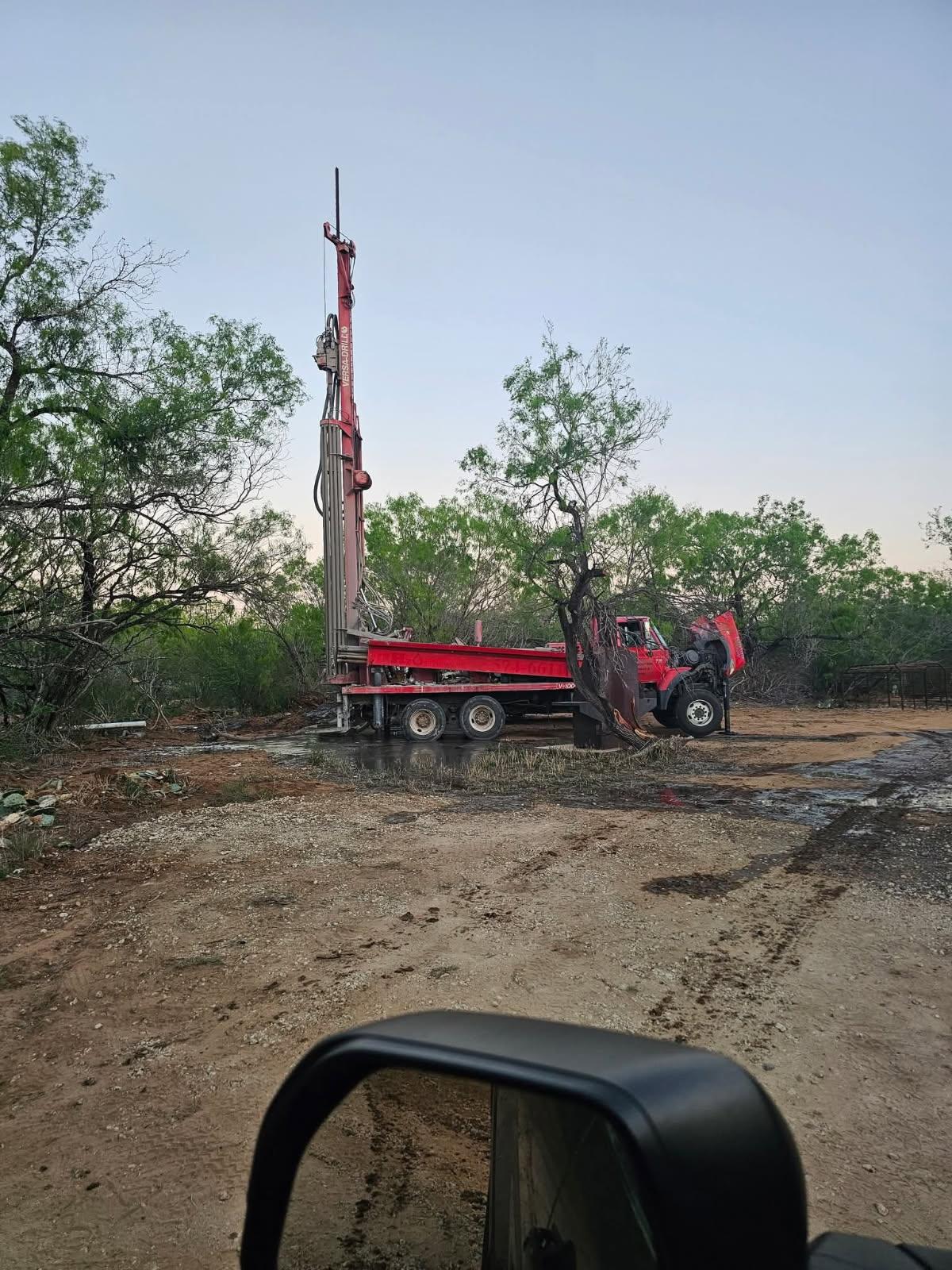
The first method we'll discuss is rotary drilling, a prevalent choice for many water well installations. Rotary drilling involves a rotating drill bit that both loosens and lifts rock cuttings to the surface. This method is ideal for deep water wells, typically over 100 meters, and can handle varied rock formations. Its speed and efficiency make it a top choice for many large-scale operations, providing a continuous supply of water. However, it requires significant investment in equipment and expertise, which might not suit everyone's budget.
Another popular method is cable tool drilling, one of the oldest water well drilling techniques. It’s particularly effective for drilling through consolidated formations like rock layers. This method utilizes a heavy bit suspended from a cable, repeatedly lifted and dropped to break the rock. Cable tool drilling does not require water or mud additives, reducing the risk of contamination—making it a preferred method for projects focused on clean water supply. Nonetheless, it is slower and may not be ideal for deeper wells.
For shallow water wells, manual drilling offers a cost-effective solution. This technique is especially useful in rural areas where sophisticated equipment might not be accessible. Manual drilling involves human-powered equipment and is best for softer ground types like sand or clay. While it’s resource-intensive and slow, its low upfront cost and minimal environmental impact are attractive. However, it may not reach the depths required for more substantial water demands.
Then there’s air core drilling, using compressed air to move rock cuttings from the borehole. It is highly effective in unconsolidated ground and semi-arid environments. This technique supports rapid drilling and is less cumbersome, making it advantageous in remote areas. While efficient, it may encounter challenges with deep drilling or dense rock formations.
Finally, direct push technology offers a unique approach for testing groundwater quality or monitoring wells. It's quick and does not require continuous hole casing or drilling fluids, limiting contamination risks. However, this method is not suited for deep well installations.
Determining the best drilling technique ultimately depends on your specific project requirements—consider the groundwater depth, geographical conditions, and budget limits. Consulting with experienced professionals like those at Sotex Water Well Corp can guide you in making an informed choice. Our expertise and commitment to service ensure your water well project proceeds smoothly and efficiently.
In conclusion, understanding the differences in water well drilling techniques helps ensure your project’s success. Each method has its own set of benefits and limitations. By considering your specific needs and the various drilling options, you can choose the most suitable technique for your water well. Let Sotex Water Well Corp assist you in making the best choice for a sustainable and reliable water supply.
/filters:no_upscale()/filters:format(webp)/media/f1f3b6cb-1af6-4a0b-b078-02d5e77842c9.jpeg)