Choosing the Right Drilling Technique: A Comprehensive Comparison for Well Owners Aug 19, 2026
In the realm of water well drilling, two primary techniques dominate: rotary drilling and cable tool drilling. Each method offers distinct benefits and is suitable for different geological conditions. Let's delve into these methods to understand their unique characteristics.
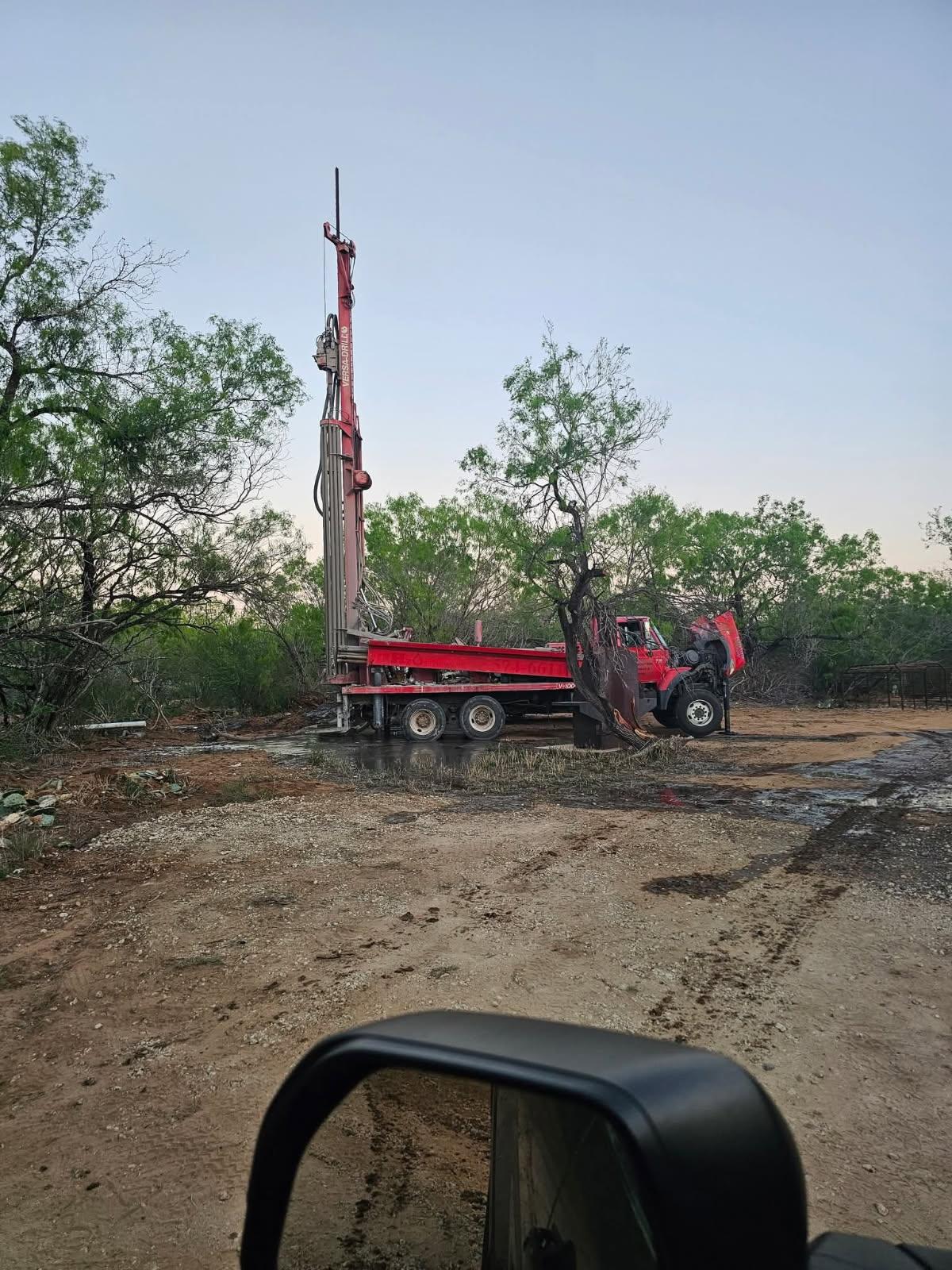
Rotary drilling is one of the most popular techniques for water well drilling. It employs a rotating drill bit that cuts into the earth's surface, creating a borehole. This method is highly efficient for creating deep wells and is particularly effective in various soil types, including clay, sand, and rock. The speed and versatility of rotary drilling make it ideal for large-scale projects. However, the advanced technology and equipment involved often render this method more expensive than alternative options. Despite the cost, rotary drilling's ability to achieve deeper wells in a shorter timeframe can be a significant advantage for water well owners seeking robust water sources.
In contrast, cable tool drilling is a traditional method that has been in use for decades. It involves a heavy drill bit repeatedly dropped into the earth to fracture the ground and loosen the soil. This technique is notably effective in unconsolidated formations such as gravel or loose sand. One of the primary benefits of cable tool drilling is its simplicity and reliability. It requires minimal equipment, leading to lower operational costs compared to rotary drilling. Additionally, cable tool drilling typically results in a smaller environmental footprint, which can be a crucial consideration for eco-conscious well owners. However, the method can be slower and less efficient for deeper wells, making it a better choice for shallower, smaller-scale projects.
For well owners contemplating a drilling project, understanding the local geology is essential. For instance, if the groundwater is located deeper beneath the surface in a rocky terrain, rotary drilling might be more suitable. Conversely, in areas where shallow aquifers are prevalent and the earth is primarily composed of unconsolidated materials, cable tool drilling could be the optimal choice. Consulting with experts like Sotex Water Well Corp can provide advice tailored to specific geological conditions, ensuring that the selected drilling technique aligns with project goals and environmental considerations.
Aside from these primary techniques, other specialized methods, such as auger drilling and percussion drilling, might also be worth exploring. Auger drilling is particularly useful for shallow wells in soft ground, while percussion drilling combines rotary and cable tool elements to handle varying earth compositions. However, these methods are less common and are typically suited to niche applications.
In conclusion, selecting the right drilling technique requires careful consideration of factors such as geological conditions, budgetary constraints, and environmental impact. By understanding the merits and drawbacks of each drilling method, water well owners can make informed decisions that ensure efficient and effective access to groundwater. Partnering with an experienced service provider like Sotex Water Well Corp can further streamline the process, providing peace of mind and expert guidance tailored to your unique well-drilling needs.
/filters:no_upscale()/filters:format(webp)/media/f1f3b6cb-1af6-4a0b-b078-02d5e77842c9.jpeg)